
How Irrigation Performs in Practice Beyond The Installation
The system may be technically correct. But real-world performance is shaped by regulations, installation decisions, cost structures, and how the system is used and maintained over time.
Garden irrigation decisions are often treated as complete once the system is selected and installation begins. That assumption breaks down quickly in real conditions. Irrigation systems do not stabilize after installation. They enter a layer defined by regulations, financial structures, installation quality, and long-term maintenance that continues shaping performance over time.
When this layer is ignored, systems that initially appear successful begin to shift. Delays, approval constraints, unexpected costs, installation deviations, and recurring maintenance emerge not as exceptions, but as part of how the system operates. The issue is not that the system fails, but that the decision was made as if installation marked the end. In reality, installation is where ongoing constraints and responsibilities begin to define the outcome.
Standards & Regulations: When Installation Meets Approval
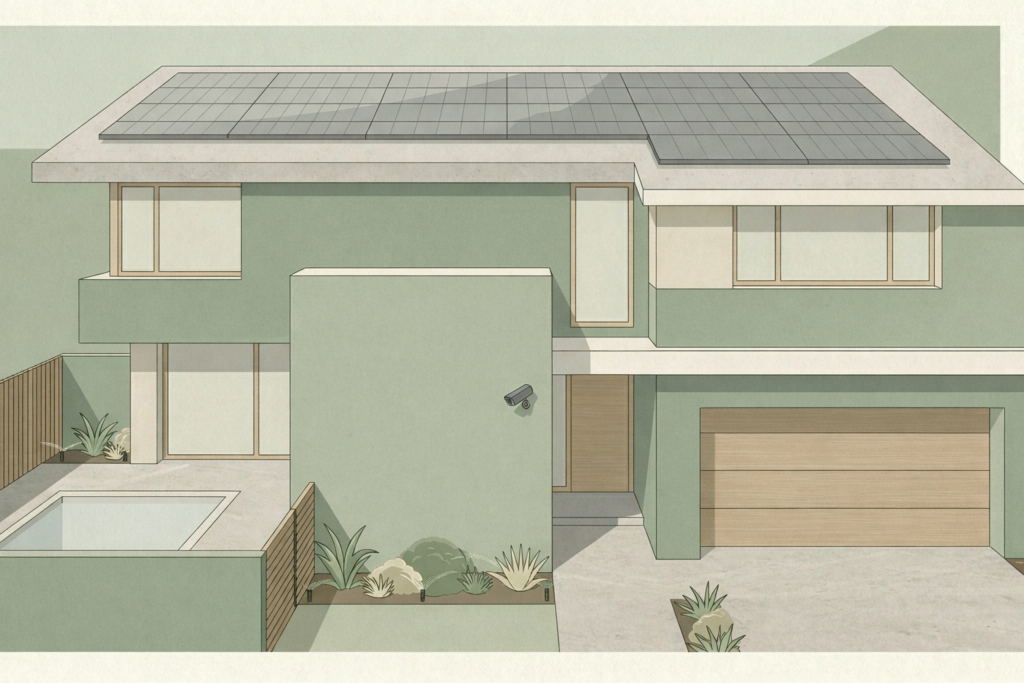
An irrigation system can be technically correct and still fail to move forward or remain compliant because approval operates independently from design. Permits, backflow requirements, inspections, and water authority rules define what can actually be installed and used. When these constraints are assumed to be routine, projects are delayed, redesigned, or restricted after key decisions are already made. The system itself does not change, but the regulatory layer reshapes what is possible and sustainable.
Incentives & Financing: When Cost Shapes the System
Financial incentives often appear to simplify the decision, but they quietly redefine it. Instead of evaluating whether the system fits the garden, decisions begin to revolve around eligibility rules, deadlines, and monthly payments. Over time, this shift becomes visible as total cost, long-term financial commitment, and system design diverge from actual needs. The system may function as intended, but the decision behind it is no longer aligned with the original purpose.
Installation Reality: When Field Work Reshapes the System
Installation is where theoretical design meets practical constraints, and small deviations become permanent outcomes. Systems that appear correct on paper often change during execution due to time pressure, cost adjustments, or coordination gaps. These changes rarely stop the system from running, but they alter how it performs over time. The issue is not visible at handover, but emerges gradually as real usage exposes what was never fully implemented.
Long-Term Ownership: Where Real Costs Appear
The real cost of an irrigation system does not appear at installation, but accumulates through maintenance, repairs, service dependency, and gradual performance changes. Systems that initially seem efficient begin to require ongoing attention and cost, regardless of how simple they first appeared. Over time, the decision shifts from installation to sustainability, where the question is no longer whether the system works, but whether maintaining it continues to make sense.
Where to next
What actually shapes performance
A system may perform as expected under normal conditions, but begin to behave differently when demand increases, such as during hot summer periods.
When zones are limited, the system may operate near its capacity. This can result in components not functioning fully, even though no failure is present.
Irrigation schedules often require adjustment throughout the season. Without these changes, the same system can gradually lead to overwatering or dry areas.
In practice, design limitations are often addressed through timing adjustments, even though the underlying issue is not related to scheduling.