
Expected Performance Often Differs From Reality
Many solar decisions begin with performance expectations shaped by estimates, proposals, or modeled outputs. Yet expected performance and actual performance are not always the same thing.
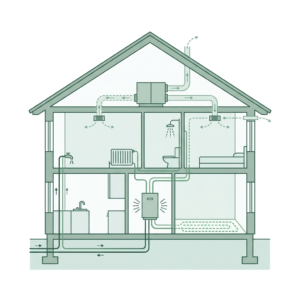
That matters because projected system output often depends on assumptions that may not fully match real operating conditions. Weather variation, shading behavior, equipment losses, temperature effects, and site-specific factors can all influence what performance looks like in practice.
his can lead to a common buyer mistake: treating modeled production as if it were guaranteed operating behavior. In practice, estimates often describe assumptions, not promises.
Some performance differences emerge because systems operate under real-world variability rather than ideal inputs. Heat can reduce output when many buyers assume the opposite. Dust, soiling, or partial shading can create losses that appear small in isolation but meaningful in accumulated performance. Even equipment design choices may intentionally limit peak output under some conditions.
Performance can also diverge because modeled precision can feel firmer than it really is. A highly specific production estimate may still depend on assumptions about weather, losses, shading patterns, and operating conditions that can shift over time.
One reason this misconception persists is that performance projections often feel precise. But numerical precision can sometimes hide the conditional nature of what those numbers depend on.
This is why “the model says it should produce this much” can sometimes be an incomplete conclusion. A projection may be informative while still not defining lived performance.
A protective buying decision often begins by asking not only what performance is projected, but what assumptions those projections depend on, what losses may already be embedded, and how sensitive those expectations may be to real conditions.
Many disappointing solar decisions begin when modeled expectations are mistaken for actual performance.