
Start With the Right Lens
Where Misunderstandings About Heat Pumps Begin
Before looking at specifications, performance claims, or installation options, it’s critical to understand what heat pumps are actually designed to do and who they truly work for. Many disappointing outcomes don’t come from poor equipment, but from mismatched expectations.
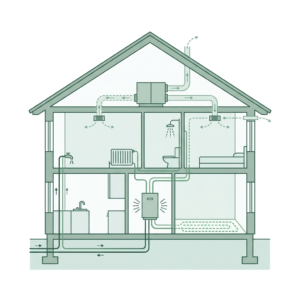
Most homeowners approach a heat pump as a direct replacement for a furnace or boiler something that turns on, produces noticeable heat, and turns off when the job is done. That assumption is wrong. A heat pump is not built to deliver heat on demand. It is designed to maintain temperature slowly and continuously, often running for long periods with less perceptible output.
This mismatch between expectation and system behavior is where most real-world problems begin. When a system that is functioning correctly feels ineffective, the issue is not performance it is interpretation. Decisions made under the “replacement appliance” mindset lead to frustration, unnecessary adjustments, and long-term dissatisfaction. A heat pump only works as intended when it is understood as a continuous system shaped by the home, not as a faster or cheaper version of what came before.
Who Is This For And Who It Isn’t
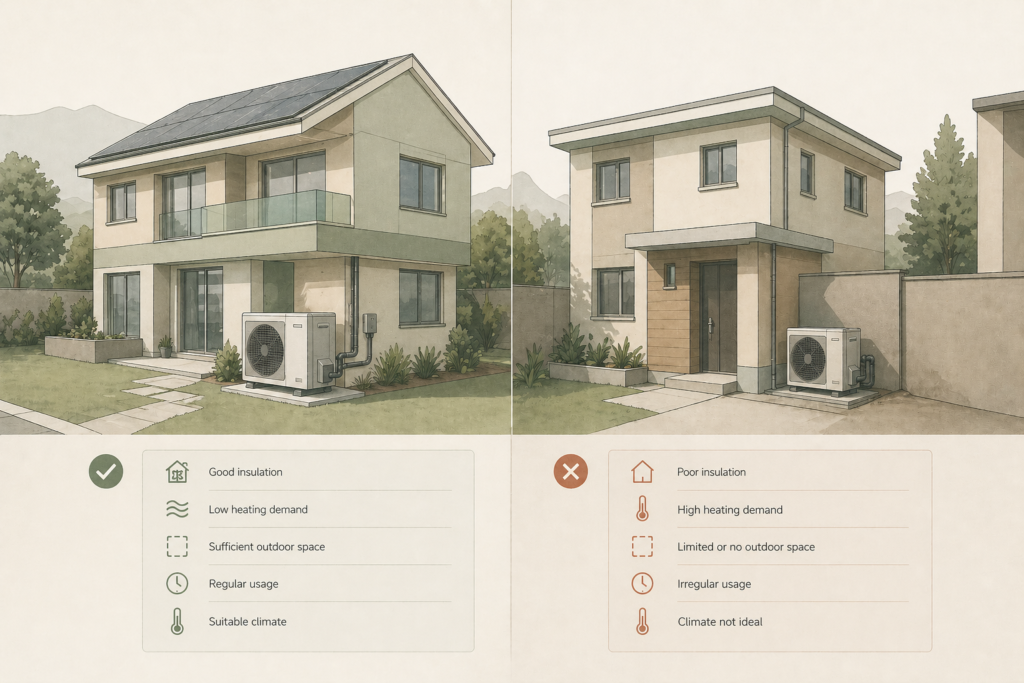
This is not a starting point for learning what a heat pump is, and it is not a confirmation step for someone ready to buy. It sits in the uncomfortable middle where the system appears straightforward, but the decision is not. The common mistake is treating a heat pump as a product choice, when in reality it is a compatibility decision between the home, usage patterns, and system behavior. When that distinction is missed, the system may perform correctly while the outcome still feels wrong.
How Heat Pumps Behave in Daily Use
Heat pumps are rarely misunderstood at the technical level they are misunderstood at the purpose level. They are not built to replicate the fast, high-temperature response of traditional heating systems, yet they are consistently evaluated that way. In real homes, this leads to a pattern where the system operates exactly as designed but fails to meet expectations shaped by a different type of system. The issue is not where heat pumps work, but where their operating logic aligns or conflicts with how the home is actually used.

When a System Works — But Still Feels Wrong
Most dissatisfaction with heat pumps does not come from breakdowns or installation errors—it comes from a slower realization that the experience does not match the expectation. A system can run continuously, stay within specification, and still feel inadequate to the user. This creates a difficult situation where nothing is technically wrong, yet nothing feels right. The real issue is not system failure, but a decision made under the wrong mental model of how heating should behave
Where homeowner expectations go wrong
“Low maintenance” doesn’t mean “low dependency”. Heat pumps may require fewer routine interventions, but when something does need attention, the number of qualified people who can confidently handle it is often limited. The surprise is rarely the issue itself, but who you’re able to call.
Your habits are part of the system. Efficiency is not only about the machine, but it assumes a certain way of living. Empty rooms, changing schedules, or new usage patterns don’t break the system, but they quietly shift the outcome you were expecting.